Showing 13–24 of 57 results
-
Sale!
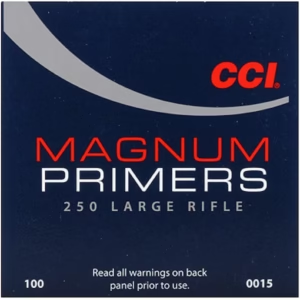 CCI Primers
CCI Large Rifle Magnum Primers #250
Price range: $77.99 through $311.99 Select options This product has multiple variants. The options may be chosen on the product page -
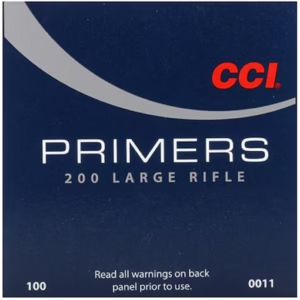 CCI Primers
CCI Large Rifle Primers #200
Price range: $89.99 through $439.99 Select options This product has multiple variants. The options may be chosen on the product page -
Sale!
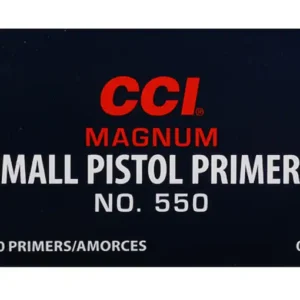 CCI Primers
CCI Small Pistol Magnum Primers #550
Price range: $57.19 through $379.49 Select options This product has multiple variants. The options may be chosen on the product page -
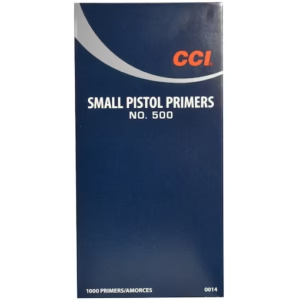 CCI Primers
CCI Small Pistol Primers #500
Price range: $87.99 through $429.99 Select options This product has multiple variants. The options may be chosen on the product page -
Sale!
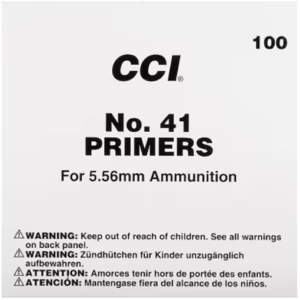 CCI Primers
CCI Small Rifle 5.56mm NATO-Spec Military Primers #41
Price range: $115.99 through $469.99 Select options This product has multiple variants. The options may be chosen on the product page -
Sale!
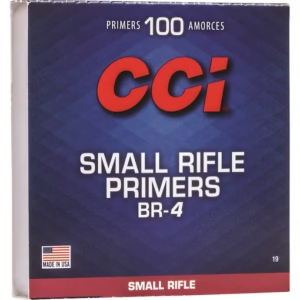 CCI Primers
CCI Small Rifle Bench Rest Primers #BR4
Price range: $98.79 through $649.99 Select options This product has multiple variants. The options may be chosen on the product page -
Sale!
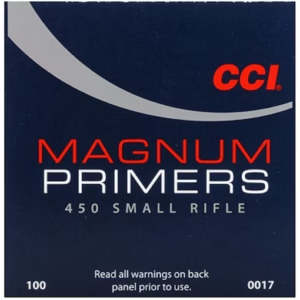 Out of stock
CCI Primers
Out of stock
CCI PrimersCCI Small Rifle Magnum Primers #450
Price range: $97.99 through $311.99 Select options This product has multiple variants. The options may be chosen on the product page -
Sale!
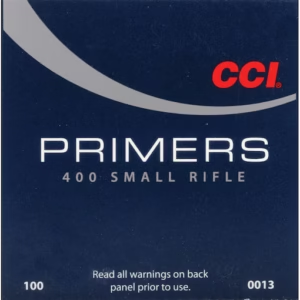 CCI Primers
CCI Small Rifle Primers #400
Price range: $87.99 through $379.49 Select options This product has multiple variants. The options may be chosen on the product page -
Sale!
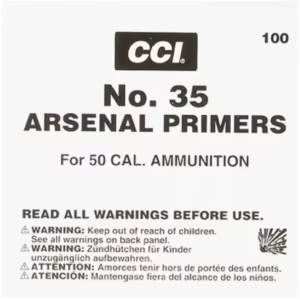 CCI Primers
CI 50 BMG Primers #35 Box of 500 (5 Trays of 100)
Original price was: $559.99.$469.99Current price is: $469.99. Select options This product has multiple variants. The options may be chosen on the product page -
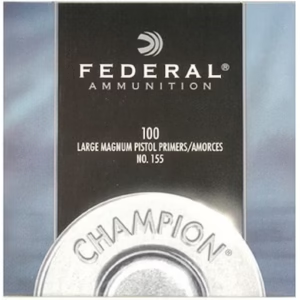 Federal Primers
Federal Large Pistol Magnum Primers #155
Price range: $103.99 through $509.99 Select options This product has multiple variants. The options may be chosen on the product page -
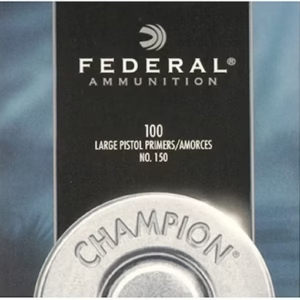 Federal Primers
Federal Large Pistol Primers #150
Price range: $93.99 through $459.99 Select options This product has multiple variants. The options may be chosen on the product page -
Sale!
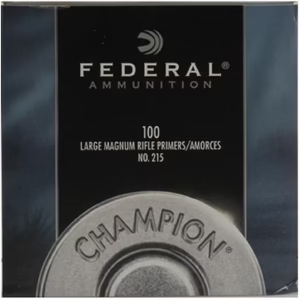 Federal Primers
Federal Large Rifle Magnum Primers #215
Price range: $103.99 through $409.99 Select options This product has multiple variants. The options may be chosen on the product page